Our work sits at the intersection of innovation, evidence, and responsibility. We investigate how Generative AI is reshaping engineering and computing education, with a particular focus on ethical integration, faculty practice, and student learning. Through empirically grounded studies, validated research instruments, collaborative partnerships, and national dissemination efforts, REACT-E advances data-driven insights that inform how AI can be thoughtfully and effectively embedded into technical education. This page highlights our current projects, conference presentations, and scholarly publications that are shaping conversations across engineering education and beyond.
Publications
2026 ASEE Midwest Section Conference
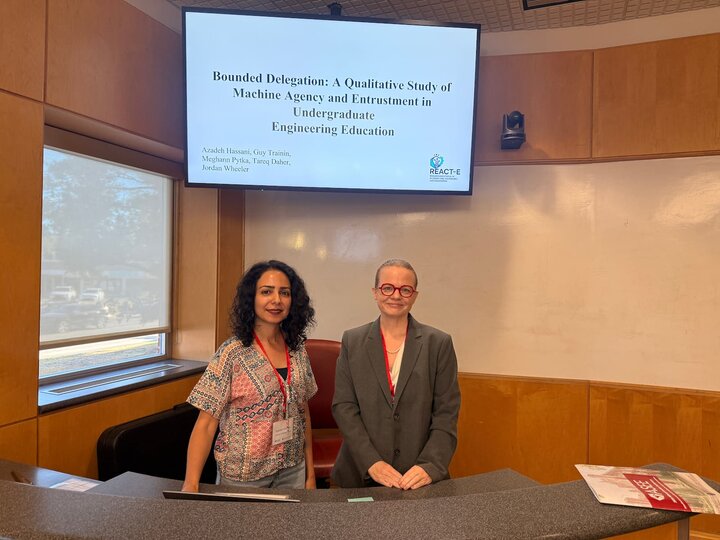
Bounded Delegation: A Qualitative Study of Machine Agency and Entrustment in Undergraduate Engineering Education
Pytka M., Hassani A., Trainin G., Wheeler J., Daher T.
Artificial intelligence (AI) is embedded in undergraduate engineering students’ academic, professional, and everyday practices, yet willingness to use AI does not necessarily indicate trust or readiness to delegate meaningful responsibility. This qualitative study examines how engineering students perceive, use, evaluate, and regulate AI by combining Sundar’s Human-AI Interaction (HAII-TIME) framework with entrustment, distinguishing perceptions of machine agency from judgments about what AI should be permitted to do. Four undergraduate engineering students at a large U.S. Midwestern university participated in two semi-structured interviews. Transcripts were analyzed through inductive coding, HAII-guided analysis, and exploratory entrustment analysis. Ten themes emerged, including verification, appropriate use, benefits, challenges, ethical concerns, transparency, learning impacts, engineering applications, and instructor and peer AI adoption. Entrustment varied with task complexity, consequences, and students’ ability to evaluate outputs. Students delegated bounded roles, including brainstorming, explanation, editing, practice generation, and preliminary checking, while retaining authority over advanced technical work and high-stakes decisions. Verification depended heavily on domain knowledge, with students consulting authoritative sources when confidence was low. Findings reveal a central tension: students need disciplinary knowledge to supervise AI, yet over-delegation may erode that competence. Engineering education should therefore prepare students to determine appropriate delegation, oversight, verification, and accountability.
NETA 2026 Spring Conference
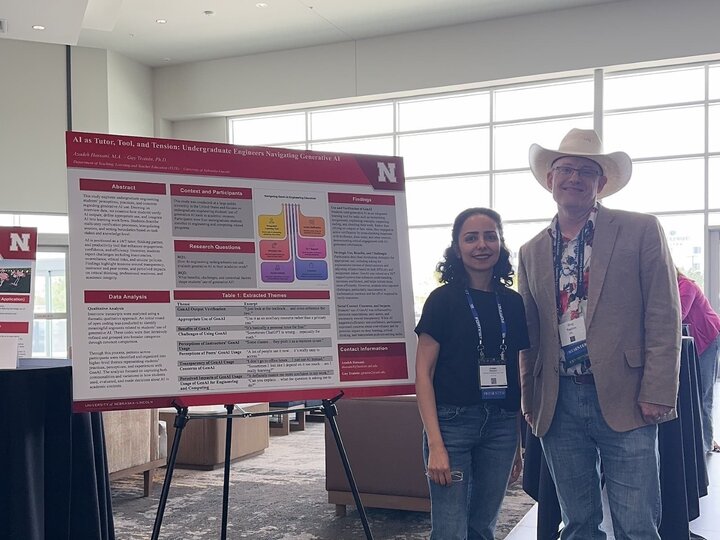
AI as Tutor, Tool, and Tension: Undergraduate Engineers Navigating Generative AI
Hassani, A., Trainin, G., Daher, T., Wheeler, J.
This presentation investigated how undergraduate engineering students use, evaluate, and make decisions about generative artificial intelligence (GenAI) in their academic work. Conducted at a large public university in the United States, this qualitative study drew on interviews with four undergraduate engineering and computing students to examine their perceptions, practices, and concerns surrounding GenAI. Thematic analysis revealed that students view GenAI as an integrated learning tool that supports interpreting assignments, explaining concepts, coding, and verifying their work. Rather than accepting AI-generated responses uncritically, participants described actively cross-checking outputs with textbooks, class notes, and other trusted sources, while strategically adjusting their reliance on AI based on task complexity, assignment stakes, and their own knowledge. Students characterized GenAI as a 24/7 tutor, thinking partner, and productivity tool that enhances learning efficiency, confidence, and engagement. At the same time, they identified important challenges, including inaccuracies, ethical concerns, overreliance, unclear institutional policies, and uncertainty regarding instructor expectations and peer norms. The findings highlight the complex balance students negotiate between leveraging AI as a valuable educational resource and maintaining critical thinking, academic integrity, and professional readiness, offering insights that can inform AI policy, instructional practice, and engineering education.
2026 Husker AI Days
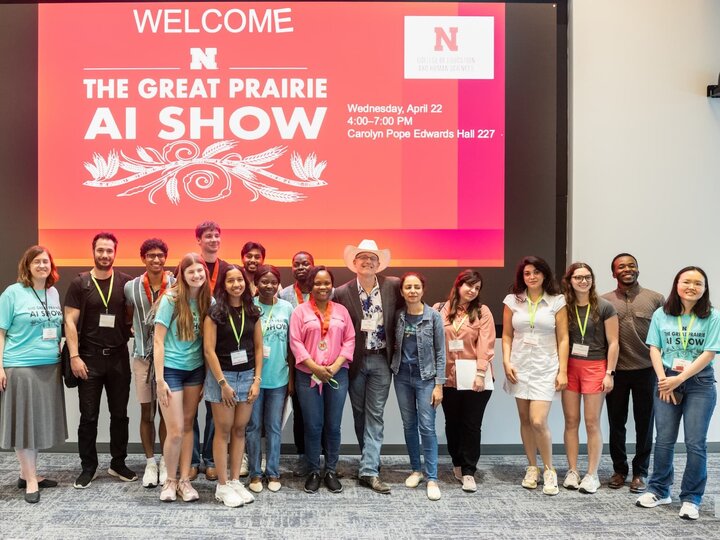
The Great Prairie AI Show
Niehaus, B., Trainin, G.
The Great Prairie AI Show brings educators, students, and community members together to build and test AI skills through hands-on challenges. Teams sign up, take on a set of timed problems, and work with the tools in real time rather than watching from the sidelines. Each round asks participants to solve something practical, from drafting classroom materials to analyzing student data to designing a algorithmic audits, and a panel of judges reviews the results and offers direct feedback.
The Show pairs friendly competition with professional development. Between rounds, participants pick up strategies they can use the next day, and they see how peers from different fields approach the same problem. Newcomers get a low-pressure entry point, and experienced users get a place to push their skills further. Nobody needs a technical background to take part.
As part of UNL's AI Days, the Great Prairie AI Show reflects a broader goal of making AI approachable across Nebraska. It connects the university with teachers, students, and local organizations who want to understand what these tools can and cannot do. Participants leave with concrete skills, new contacts, and a clearer sense of where AI fits in their own work.
2025 PRAIRIE Initiative Launch Event
Productivity with AI: Enhancing Professional Workflows
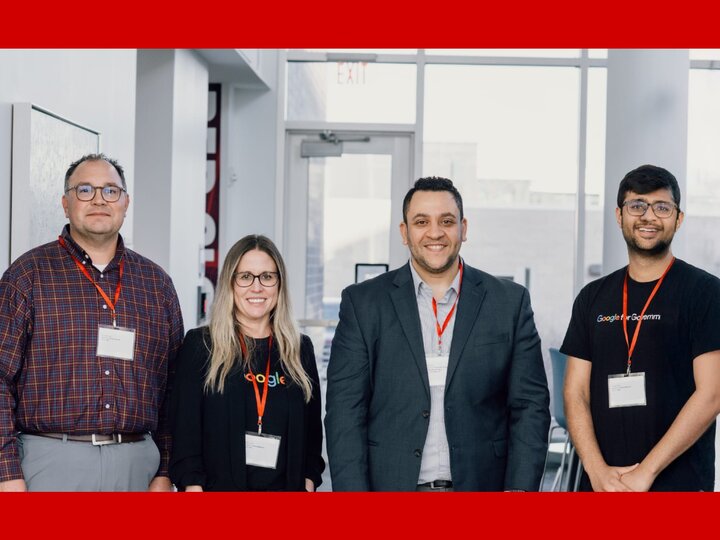
Daher, T. (unl), Kasel, H. (Google), Vialpando, J. (Nelnet), Patel, A. (Google)
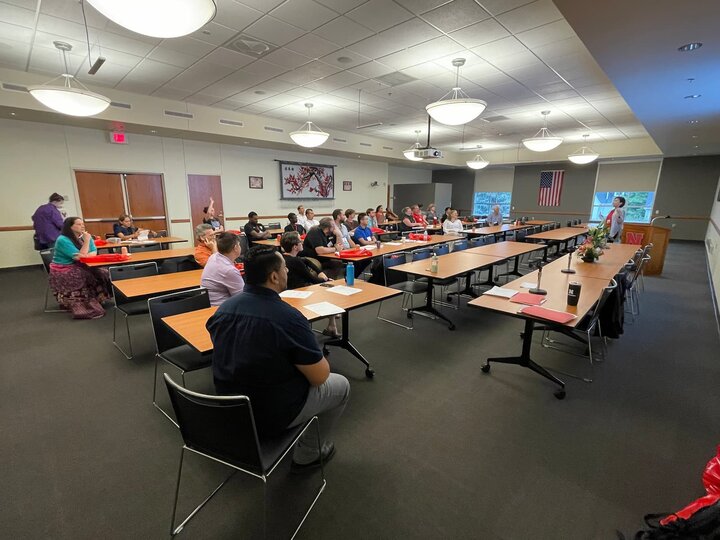
This workshop, held as part of the PRAIRIE Launch Event, brought together over 50 faculty, staff, and industry collaborators to explore the practical integration of artificial intelligence into daily professional work. The session focused on translating AI from an abstract concept into a concrete productivity partner, highlighting existing tools and strategies to streamline communication, document synthesis, and data organization. With a dual focus on inspiration and feedback, the workshop featured faculty spotlights and industry perspectives from Google and Nelnet, showcasing real-world examples of how AI can enhance efficiency in both higher education and enterprise environments. Core themes included leveraging AI for routine tasks to free up time for strategic thinking and innovation, while also addressing key community concerns such as data privacy, trust in AI, and the rapid pace of technological change. The feedback gathered will directly inform PRAIRIE's future programming to support responsible and effective AI adoption across the university.
2025 ASEE Annual Conference & Exposition
Insights into Faculty’s use of Generative Artificial Intelligence systems in Engineering Classrooms
Hassani, A., Daher, T., Trainin, G., Wheeler, J. M.
This study investigates the usage of Generative Artificial Intelligence (GenAI) tools among faculty in construction, engineering, and computing disciplines. With the rapid proliferation of Generative AI among students, faculty, and professionals, it is crucial to understand how faculty engage with GenAI, manage its use by students, and cultivate awareness of its applications within their respective professions. This research explores several key areas: a) the extent to which faculty have adopted these technologies, b) the barriers and challenges they face in integrating GenAI into their teaching practices, and c) their aptitude for training and professional development in GenAI tools. A critical question raised in this study is" What is the current awareness among faculty about available professional development opportunities related to GenAI, and how willing are they to integrate these tools into their curricula? The findings aim to offer insights into how we may start bridging gaps between pedagogy, technology, and the use of GenAI in engineering and related fields. Additionally, we offer an overview of faculty readiness and perceptions regarding the integration of GenAI, identifying areas where further support, training, or resources may be needed to enable the effective use of GenAI in educational settings. Understanding these aspects will inform how GenAI tools can be leveraged to enhance learning experiences in engineering classrooms, bridging gaps between technology and pedagogy.
View Publication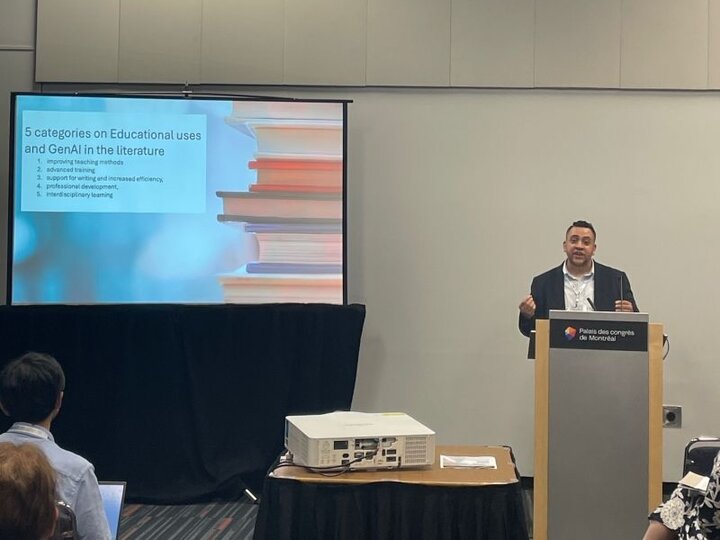
2024 ASEE Midwest Section Conference
Addressing Generative AI in the Engineering Classroom
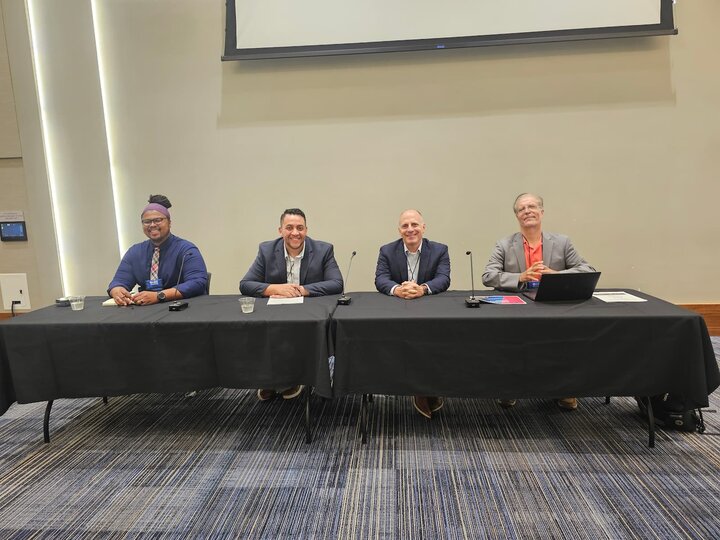
McCain, H. (moderator), Ward, D., Daher, T., Saiedian, H., Hassell, J.
This panel at the 2024 ASEE Midwest Section Conference brought together a diverse group of educators to discuss the transformative impact of Generative AI on engineering and computing education. The session explored the challenges and opportunities presented by tools like ChatGPT, focusing on practical approaches for addressing their use in writing, coding, and problem-solving assignments. Panelists shared varied institutional perspectives on how to adapt pedagogical strategies, maintain academic integrity, and leverage AI to enhance learning. The discussion provided a platform for educators to consider different models for integrating AI into the classroom, fostering a dialogue on how to best prepare students for a future where collaboration with AI tools is the norm.
2023 ASEE Midwest Section Conference
Discussing the Impact of AI Tools in Engineering Education
Daher, T. (UNL), Wang, Y. (UNL), Mitchell, A. (UMKC), & Ort, A. (UNL)
As generative artificial intelligence (AI) tools continue to gain prominence in educational settings, engineering faculty face important questions regarding their instructional value, ethical use, and impact on student learning. This interactive workshop provided engineering educators with an opportunity to explore the rapidly evolving landscape of AI technologies and consider their implications for teaching and learning. Moving beyond chatbot applications, participants were introduced to a range of emerging AI-powered tools that have the potential to influence course design, content creation, assessment practices, and student engagement.
Through a combination of demonstrations, guided reflection activities, and collaborative discussion, participants evaluated potential classroom applications of AI and examined best practices for responsible implementation. Faculty reflected on how AI tools could be incorporated into their courses, discussed opportunities and limitations, and identified practical uses that align with their instructional goals. Participants also designed example classroom activities that intentionally leveraged AI to support engagement and learning while encouraging critical thinking and disciplinary understanding.
The workshop further addressed important challenges associated with generative AI, including academic integrity, transparency, and student awareness. Particular attention was given to the implications of AI for diversity, equity, and inclusion, with discussions centered on algorithmic bias, limitations of AI-detection technologies, AI-resistant assessment strategies, and equitable approaches to supporting student success. By balancing practical applications with critical examination of ethical considerations, the workshop equipped engineering educators with strategies for thoughtfully integrating AI into their teaching while maintaining academic integrity and promoting inclusive learning environments.